Nottingshire: A Modern Serif Font with a Medieval Vibe
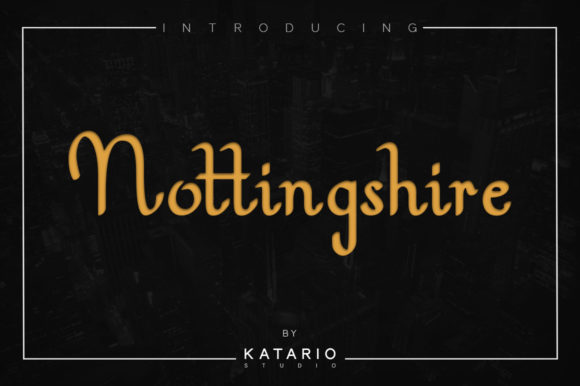
Nottingshire is a distinctive serif typeface that blends modern design principles with a medieval aesthetic. Its unique character set and visual appeal make it a compelling choice for designers seeking to add historical depth to contemporary projects. This font stands out due to its ability to evoke a sense of tradition while maintaining readability in digital and print formats.
Design Characteristics and Visual Identity
Nottingshire’s design is rooted in classic serif typography, yet it incorporates contemporary refinements that enhance its usability. The font features strong vertical strokes and subtle serifs that give it a refined appearance. Its letterforms are carefully crafted to balance elegance with legibility, making it suitable for both body text and display purposes.
The medieval influence is evident in the font’s overall structure, which draws inspiration from historical calligraphy and old English script styles. This gives Nottingshire a timeless quality that can be particularly effective in branding, editorial design, and creative layouts where a touch of heritage adds value.
Practical Applications and Use Cases
Designers working on projects that require a blend of tradition and modernity will find Nottingshire particularly useful. It is ideal for:
- Brand identity: Companies or products with a historical or artisanal focus can use Nottingshire to reinforce their narrative.
- Editorial design: Magazines, books, and publications that aim for a sophisticated or vintage look may benefit from this font.
- Web design: When used sparingly, Nottingshire can elevate headlines and titles without compromising readability.
- Creative projects: Artists, illustrators, and content creators looking to add visual interest to their work may find this font versatile and expressive.
Strengths and Limitations
Nottingshire excels in situations where a unique visual identity is needed. Its medieval vibe offers a fresh alternative to more common sans-serif or traditional serif fonts. However, it is important to consider its limitations:
One potential drawback is its limited versatility in certain contexts. For instance, while it works well in headlines and short text blocks, using it for long-form content may reduce readability. Additionally, its decorative elements may not render consistently across all platforms, especially when scaled down or used in small sizes.
Another consideration is typographic pairing. To maintain visual harmony, Nottingshire should be paired with complementary fonts that balance its ornate style. This ensures that the design remains cohesive and professional.
Quality and Usability
The quality of Nottingshire is evident in its clean lines and consistent spacing. Each letterform is meticulously designed, ensuring that it performs well in both digital and print environments. The font supports multiple languages and character sets, which is a significant advantage for international projects.
Usability is another key strength. While the font has a distinct personality, it maintains sufficient clarity for most applications. Its weight options allow for flexibility in design, enabling users to adjust the font’s presence based on the project’s needs.
Who Benefits Most from Nottingshire?
Nottingshire is best suited for professionals who prioritize visual storytelling and brand differentiation. This includes:
- Entrepreneurs launching niche businesses that emphasize craftsmanship or heritage.
- Marketers creating campaigns that align with traditional values or cultural themes.
- Bloggers and publishers aiming to stand out in a crowded digital landscape.
- Freelancers and creators looking to infuse their work with a unique artistic flair.
- Small business owners seeking to build an identity that resonates with their target audience.
For these individuals, Nottingshire offers a powerful tool to communicate authenticity and sophistication through design.
Real-World Performance and Examples
In practice, Nottingshire performs well in scenarios where its medieval aesthetic complements the content. For example, a boutique wine brand might use it in logo design and packaging to reflect a sense of history and quality. Similarly, a travel blog could incorporate the font into headers and subheadings to create a nostalgic, adventurous tone.
However, it is important to use Nottingshire strategically. Overuse can lead to visual fatigue or a disjointed design. In one case study, a local artisan store successfully integrated the font into their website and marketing materials, resulting in a stronger brand image and increased customer engagement.
Recommendations and Best Practices
To maximize the effectiveness of Nottingshire, follow these guidelines:
- Use it selectively: Reserve Nottingshire for headlines, logos, and other prominent elements rather than full-body text.
- Pair it wisely: Combine it with a modern sans-serif font for contrast and balance.
- Test across platforms: Ensure the font renders consistently on different devices and screen sizes.
- Consider accessibility: Use it in conjunction with high-contrast backgrounds to maintain readability for all users.
By following these best practices, designers can leverage Nottingshire’s strengths while avoiding its potential pitfalls.
Conclusion
Nottingshire is more than just a font—it is a design statement. Its unique blend of medieval charm and modern functionality makes it a valuable asset for those who seek to differentiate their work through thoughtful typography. Whether you're crafting a brand identity, designing a publication, or enhancing a creative project, Nottingshire offers a distinctive and impactful solution. With careful application and strategic use, it can elevate your designs and resonate with your audience in meaningful ways.