Orlandia: A Handwritten Font That Balances Delicacy and Impact
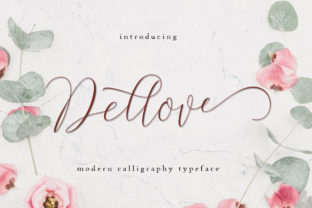
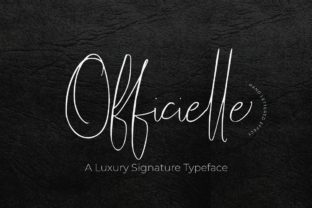
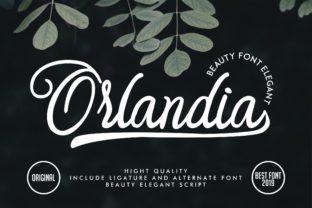
Orlandia stands out not because it shouts, but because it speaks with quiet confidence. It’s a handwritten font designed with intentional contrast—fine hairlines paired with confident, slightly tapered strokes that give it presence without heaviness. Unlike many script fonts that lean heavily into ornate flourishes or casual informality, Orlandia occupies a nuanced middle ground: it feels personal and human, yet polished enough for professional use. Its cool, understated energy comes from subtle irregularities in stroke weight and rhythm—not randomness, but carefully calibrated variation that mimics natural handwriting without sacrificing legibility or cohesion.
What Makes Orlandia Distinctive in Practice
At its core, Orlandia is built for readability at medium to large sizes—think headlines, logos, editorial features, and social media banners—not body text. Its lowercase letters feature soft entry and exit strokes, with gentle lifts on terminals that suggest movement rather than rigidity. Uppercase characters retain the same organic flow but gain structural clarity, making them effective for short brand names or callouts. The spacing is generous, avoiding visual crowding even when used in tight compositions. Kerning pairs are thoughtfully adjusted, especially around common letter combinations like “to,” “he,” and “er,” which helps maintain rhythm across words.
One practical strength is its restrained personality. It doesn’t compete with imagery or layout—it complements them. A photographer using Orlandia for an exhibition title achieves elegance without distraction. A boutique skincare brand applying it to product labels gains warmth and authenticity without veering into twee or overly cutesy territory. That balance—delicate yet bold, handmade yet refined—is where Orlandia delivers consistent value.
Real-World Performance Across Mediums
In digital contexts, Orlandia renders cleanly on modern browsers and devices when embedded via standard web font protocols (WOFF2 preferred). Its OpenType features include standard ligatures and discretionary swashes—subtle alternatives for select characters like “f” and “y”—that add nuance when enabled, but aren’t required for basic functionality. These extras enhance typographic sophistication without complicating implementation.
In print, Orlandia holds up well at sizes above 24 pt. Below that, fine details begin to soften, especially on uncoated paper or lower-resolution output. For business cards or packaging, pairing it with a clean, neutral sans-serif (e.g., Inter, Poppins, or even Helvetica Neue) creates effective hierarchy and contrast. Its light weight means it doesn’t dominate layouts—it invites attention, then steps back to let content breathe.
It’s worth noting that Orlandia isn’t optimized for accessibility in long-form reading. Its connected script style and variable stroke width reduce scanability for users relying on screen readers or those with dyslexia. That’s not a flaw—it’s a design constraint aligned with its intended role. Using it for navigation menus, paragraph text, or data tables would undermine both usability and intent.
Who Benefits Most—and Where It Fits Best
Designers working with lifestyle, wellness, creative services, or artisanal brands often find Orlandia aligns closely with audience expectations. Its tone supports values like authenticity, craftsmanship, and mindful intention—qualities that resonate with consumers aged 30–50 seeking differentiation in crowded markets. A freelance illustrator might use it in portfolio headers to reinforce a hand-drawn aesthetic; an educator creating workshop materials could apply it to section titles to soften academic formality without losing authority.
Entrepreneurs launching DTC brands—especially in beauty, home goods, or stationery—report strong reception when Orlandia appears in launch campaigns or email subject lines. One small-batch candle maker noted improved open rates after switching from a generic script to Orlandia in newsletter headers, attributing it to increased perceived care in presentation. Similarly, bloggers covering travel or slow living use it for post titles and featured quote graphics, finding it reinforces narrative tone more effectively than bolder, busier scripts.
That said, Orlandia isn’t universally suited. It lacks the assertiveness needed for tech startups aiming for disruption, nor does it convey urgency or high-energy action. It won’t serve well in environments requiring strict brand consistency across dozens of languages—its character set covers Latin-based languages thoroughly but stops short of extended Cyrillic or Arabic support. Users needing multilingual scalability should verify coverage before committing.
Usability, Flexibility, and Long-Term Considerations
Installation and licensing are straightforward. Orlandia is available through reputable foundries and font marketplaces with clear desktop, web, and app licensing tiers. There’s no complex activation process or cloud dependency—files install locally and integrate smoothly into Figma, Adobe Creative Cloud, and Affinity apps. Updates are infrequent but meaningful, focused on technical refinements rather than stylistic overhauls.
Flexibility lies in how it responds to context—not in stylistic range. Orlandia doesn’t come with multiple weights or condensed variants. What it offers instead is reliability: once you understand its sweet spot (size, spacing, pairing), it performs predictably across projects. That consistency reduces decision fatigue during tight deadlines. You’re not choosing between five versions—you’re learning one tool deeply.
Long-term value emerges from its timelessness. Unlike trend-driven fonts that feel dated within 12–18 months, Orlandia avoids faddish elements—no excessive bounce, no forced irregularity, no exaggerated contrast. Its roots in calligraphic tradition give it staying power. Designers who’ve used it for three+ years report it aging well across rebrands and platform migrations, requiring minimal visual recalibration.
Practical Recommendations for Getting Started
Start simple: use Orlandia for one high-impact element per project—logo lockup, hero headline, or signature quote graphic. Avoid stacking it with other scripts or decorative typefaces; contrast works best against structure, not chaos.
When pairing, prioritize function over flair. Try these combinations:
- For editorial layouts: Orlandia headlines + Merriweather body text
- For digital interfaces: Orlandia section titles + Inter UI copy
- For print collateral: Orlandia cover titles + Source Sans Pro captions and footnotes
Test early and often—at actual size, on target devices, and in real lighting conditions. A mockup on a retina display may look crisper than final printed output; previewing on matte paper reveals how fine strokes interact with texture.
If you're evaluating Orlandia alongside alternatives like Playfair Display (serif) or DM Serif Display, consider your need for warmth versus formality. Orlandia trades classical gravitas for contemporary ease—less “established institution,” more “thoughtful creator.”
Ultimately, Orlandia earns its place not by trying to do everything, but by doing one thing exceptionally well: lending quiet confidence to moments that matter. It’s a tool for designers who understand that boldness isn’t always loud—and that sometimes, the most memorable impression is made softly.