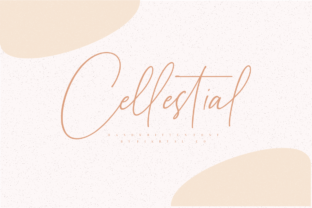
Cellestial: A Light, Cool Handwritten Font That Elevates Intentional Design
Typography isn’t decoration—it’s a strategic layer of communication. When you choose Cellestial, you’re not selecting a font; you’re choosing a tone, a pace, and a quiet confidence. Designed as a light and cool handwritten typeface, Cellestial carries the warmth of human touch without sacrificing clarity or modern restraint. It doesn’t shout. It invites—thoughtfully, deliberately, and with unmistakable presence. For professionals who rely on visual language to shape perception—whether launching a course, refining a brand voice, designing a pitch deck, or crafting a newsletter—Cellestial offers a rare balance: approachability grounded in precision.
Why Cellestial Fits Real-World Strategy (Not Just Aesthetics)
Most handwritten fonts fall into one of two traps: they feel either overly casual (undermining authority) or artificially ornate (distracting from message). Cellestial avoids both by prioritizing legibility at scale, consistent rhythm across weights, and subtle variation that suggests authenticity—not improvisation. That distinction matters when your goal is to build trust, not just catch attention.
Consider how Cellestial supports long-term positioning: a small business owner rebranding their wellness studio might use it for workshop titles and client-facing emails—not to appear “artsy,” but to signal care, continuity, and personal investment. An educator building an online learning platform could apply Cellestial to section headers and reflection prompts, reinforcing a pedagogy rooted in empathy and thoughtful pacing. In each case, the font functions as part of the strategy—not an afterthought.
When Cellestial Adds Value (And When It Doesn’t)
Cellestial excels where human connection, calm authority, or refined simplicity are primary goals. Use it for:
- Headlines and short display text—especially in digital interfaces, print brochures, or presentation slides where brevity and tone matter most;
- Branded communications that emphasize warmth without informality—think welcome sequences, onboarding emails, or values statements;
- Creative assets tied to reflection or intention, such as journal covers, mindfulness app UI elements, or course module titles;
- Print collateral requiring tactile resonance, like letterpress business cards or limited-run zines where texture and nuance reinforce message.
It’s less effective—and potentially counterproductive—for dense body copy, data-heavy dashboards, legal disclaimers, or environments demanding high-speed scanning (e.g., signage, mobile notifications, or technical documentation). Its light weight and organic flow demand space and context to land. Using Cellestial for paragraph text risks compromising readability and diluting its strategic impact.
Using Cellestial With Purpose—Not Habit
Intentional typography starts before you open your design tool. Ask yourself: What outcome do I want this piece to support? If the answer is “stand out,” dig deeper: stand out for what? Clarity? Calm? Creativity? Craft? Cellestial stands out because it feels considered—not because it’s loud.
For example, a freelance copywriter pitching to sustainable brands might use Cellestial in their portfolio’s project titles and testimonial pull quotes. Why? Because it quietly mirrors the values those clients prioritize: authenticity, balance, and mindful execution. The font becomes part of the argument—not just the packaging.
Conversely, applying Cellestial to every heading in a SaaS dashboard—even if it looks “nice”—can unintentionally soften perceived reliability. Users scanning for status updates or error messages need speed and certainty, not subtlety. In that context, a neutral sans-serif would serve the user’s goal more honestly.
Pairing Cellestial Thoughtfully
Cellestial gains strength through contrast. Pair it with a clean, highly legible sans-serif (like Inter, Poppins, or even system fonts like SF Pro or Segoe UI) for body text, captions, or navigation. This pairing creates hierarchy without tension: Cellestial sets the emotional frame; the supporting type delivers information efficiently.
Avoid pairing it with other decorative or script fonts—especially those with competing energy or inconsistent x-heights. That introduces visual noise and undermines the very calm Cellestial brings. Also resist overusing stylistic alternates unless they serve a clear functional purpose (e.g., a single custom ampersand in a logo lockup). Consistency reinforces professionalism; randomness erodes it.
Risks of Using Cellestial Without Context
The biggest risk isn’t technical—it’s strategic misalignment. When designers reach for Cellestial because it’s “trendy” or “pretty,” rather than because it serves a defined outcome, it can subtly weaken credibility. A fintech startup using Cellestial for its pricing page may unintentionally signal informality where users expect rigor. A university department applying it to official policy documents may inadvertently reduce perceived authority.
Another common pitfall: treating Cellestial as a substitute for strong content. Beautiful typography cannot compensate for vague messaging, weak structure, or unclear value propositions. It amplifies what’s already there—so if the underlying strategy is fuzzy, Cellestial will only make the ambiguity feel more polished.
Practical Planning Tips Before You Implement
- Define the core objective first. Is this about building trust? Encouraging reflection? Differentiating from competitors? Let that drive the decision—not the font’s appearance.
- Test at real size, in real context. Render Cellestial at the exact weight and size it will appear—not in a font menu, but in the final layout. View it on multiple devices and under varied lighting.
- Check contrast and accessibility. Its light weight demands careful attention to background color and spacing. Ensure text meets WCAG 2.1 AA contrast ratios, especially for critical information.
- Limit scope intentionally. Start with one high-impact application—such as email subject lines or hero section headlines—then expand only if it demonstrably improves engagement or comprehension.
- Document your rationale. Note why you chose Cellestial for this use case. This builds internal alignment and makes future audits or iterations more intentional.
Long-Term Value Beyond Visual Appeal
Brands and creators who use Cellestial with discipline often find it becomes a quiet signature—a consistent note of humanity across touchpoints. Over time, that consistency builds recognition not through repetition alone, but through coherence: the same calm confidence appears in a workshop handout, a client thank-you note, and a conference slide. That kind of alignment doesn’t happen by accident. It happens when every typographic choice reflects a deeper understanding of audience, purpose, and outcome.
For educators, that means Cellestial can become part of a learning environment’s psychological architecture—supporting focus, reducing cognitive load, and reinforcing a space built for reflection. For entrepreneurs, it can signal maturity: the ability to choose restraint over ornament, clarity over clutter. And for freelancers and creatives, it becomes evidence of craft—not just in execution, but in judgment.
Ultimately, Cellestial is most powerful when treated as a tool for intention—not ornament. Its lightness isn’t fragility; it’s economy. Its coolness isn’t distance; it’s composure. Used well, it helps people see not just what you’ve made—but why it matters, and who it’s for.