Negitha: A Light, Contemporary Script Font That Feels Effortlessly Cool
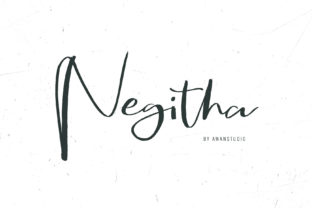
Imagine a font that doesn’t shout—but still commands attention. One that flows like a confident handwritten note yet feels perfectly at home on a sleek mobile app interface or a minimalist brand identity. That’s Negitha: a beautifully light script font with an incredibly contemporary feel. It’s not just another decorative typeface—it’s a quiet statement of modern elegance, designed for clarity, charm, and subtle sophistication.
What Makes Negitha Stand Out?
At first glance, Negitha balances airiness and intention. Its letterforms are open, graceful, and lightly connected—never cramped or overly ornate. Unlike traditional scripts that lean heavily into calligraphic drama, Negitha uses clean terminals, consistent stroke contrast, and gentle rhythm to create visual calm. The result? A font that feels hand-crafted but digitally refined—ideal for today’s design sensibilities.
Key characteristics include:
- Light weight with strong legibility—even at smaller sizes, its generous x-height and spacing keep text readable without sacrificing style.
- Subtle contextual alternates—certain letter combinations (like “st”, “fl”, or “th”) shift naturally for smoother flow, adding quiet polish without manual intervention.
- Optimized for screen and print—hinted for crisp rendering across devices, from high-DPI logos to responsive web headers.
- Warm, humanist tone—it avoids cold geometric rigidity while steering clear of whimsy, landing in that rare sweet spot between friendly and professional.
Who Benefits Most From Using Negitha?
Negitha isn’t a one-size-fits-all solution—but it shines brightest for creators and communicators who value personality *without* pretension. Here’s how different users find real value in it:
Designers & Brand Strategists
When building a brand voice that’s approachable yet refined—think wellness studios, boutique hotels, sustainable fashion labels, or creative agencies—Negitha adds warmth without clutter. It pairs exceptionally well with neutral sans-serifs (like Inter, Poppins, or Manrope) for balanced typographic hierarchies. Use it for logotypes, hero headlines, or short taglines where emotional resonance matters more than dense information.
Content Creators & Social Media Managers
On platforms where first impressions happen in under three seconds, Negitha helps visuals stand out. Try it in Instagram story text overlays, Pinterest quote graphics, or YouTube thumbnail titles. Its lightness ensures it doesn’t compete with imagery—instead, it complements and elevates.
Small Business Owners & Entrepreneurs
If you're launching a product, service, or online course and want to convey care, creativity, and authenticity, Negitha supports that narrative instantly. It works beautifully in email headers, digital business cards, or even packaging copy—especially when paired with soft color palettes and ample white space.
Where Negitha Fits—and Where It Doesn’t
Like any thoughtful tool, Negitha excels in specific contexts—and knowing its boundaries is part of using it well.
Best used for:
- Short-form display text: logos, headlines, quotes, invitations, and social media banners.
- Branding elements that emphasize tone over volume: subheadings, signature lines, or accent typography in presentations.
- Projects rooted in lifestyle, creativity, mindfulness, or craftsmanship—where softness and sincerity align with audience expectations.
Less ideal for:
- Long paragraphs or body text—its script nature reduces scanning speed and can fatigue readers over time.
- High-contrast accessibility-critical interfaces (e.g., government portals or medical apps), where maximum legibility and WCAG compliance demand stricter type choices.
- Situations requiring strong authority or formality (e.g., legal documents, financial reports)—here, a robust serif or structured sans-serif better conveys gravitas.
Real-World Uses That Work—And Why
Consider these everyday scenarios where Negitha delivers tangible impact:
- A yoga studio’s website header: “Breathe Deeply” set in Negitha, centered over a muted earth-tone background—immediately signals calm and intention before a single word is read.
- An indie coffee roaster’s product label: Used for the roast name (“Honey Lavender Reserve”) beneath a bold, clean sans-serif origin line—adds artisanal warmth without distracting from key info.
- A freelance illustrator’s portfolio site: Applied to the “About” section intro sentence—“I draw stories that feel like home”—giving personality to the narrative without overwhelming the artwork.
- A newsletter sign-up CTA: “Join the Slow Creative Circle” in Negitha, paired with a soft button—creates emotional pull that generic fonts often miss.
Practical Tips for Getting the Most From Negitha
Using Negitha effectively isn’t about rules—it’s about intention. Here’s what experienced users consistently find helpful:
- Respect its scale: Start at 24px or larger for web headlines; 18pt+ for print. Let it breathe—tight tracking undermines its lightness.
- Pair wisely: Contrast is your friend. Combine with a sturdy, neutral sans-serif for body text or captions. Avoid other scripts or overly decorative fonts—they’ll compete rather than complement.
- Test in context: Preview Negitha against your actual background colors, image textures, and device sizes. What looks elegant on desktop may vanish on mobile if contrast is low.
- Limit usage scope: One or two strategic applications per project—never everywhere. Its power lies in restraint.
- Check licensing early: Ensure your intended use (web, app, merchandise, etc.) is covered. Many designers overlook this until launch—and avoidable delays hurt momentum.
Final Thought: It’s Not Just a Font—It’s a Tone Setter
Choosing Negitha isn’t merely a typographic decision—it’s a subtle way to shape how people feel when they encounter your work. In a world saturated with loud visuals and algorithm-driven noise, its lightness becomes strength. Its contemporary ease becomes trust. And its quiet confidence becomes memorable.
You don’t need Negitha for every project. But when you’re aiming for warmth without cliché, elegance without effort, and modernity with heart—you’ll recognize it immediately. It’s the kind of font that doesn’t ask to be noticed… and ends up being unforgettable anyway.