Joanne: A Modern Take on a Timeless Typographic Tradition
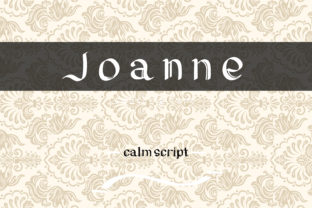
Typography is more than just choosing a font—it’s about communication, clarity, and visual storytelling. In an era where digital content is king, selecting the right typeface can make all the difference in how your message is received. Joanne is a modern interpretation of a classic blackletter style, offering both historical charm and contemporary adaptability. This font is not just a design choice; it's a statement that bridges the past and present.
The Evolution of Blackletter Fonts
Blackletter fonts trace their roots back to the Middle Ages, originating from the Carolingian minuscule script used in monastic scribes’ work. These fonts were designed for readability in a time when literacy was limited and books were hand-copied. Over centuries, they evolved into various forms, including Gothic and Schwabacher styles, each with its own unique characteristics.
Joanne reimagines this tradition by blending the ornate details of traditional blackletter typography with modern design principles. The result is a font that feels both authentic and fresh, suitable for a wide range of applications without sacrificing legibility or aesthetic appeal.
Key Characteristics of Joanne
Joanne stands out due to its thoughtful design and attention to detail. Here are some of its defining features:
- Distinctive Ornamentation: Joanne retains the intricate flourishes and ligatures typical of blackletter fonts, adding a touch of elegance and sophistication.
- Modern Readability: Despite its historical inspiration, Joanne has been optimized for digital use, ensuring clear legibility even at smaller sizes.
- Consistent Weight and Proportions: Each character maintains a balanced structure, contributing to a cohesive and professional appearance.
- High-Quality Rendering: Whether used in print or digital formats, Joanne renders consistently across different platforms and devices.
These qualities make Joanne a versatile option for designers looking to add character without compromising on functionality.
Practical Applications and Use Cases
Joanne is particularly well-suited for projects that require a touch of elegance or historical flair. Its distinctive style makes it ideal for:
- Branding Materials: Logos, packaging, and stationery benefit from the timeless look of Joanne, especially in industries like luxury goods, publishing, and education.
- Digital Content: From websites to email templates, Joanne adds visual interest while maintaining readability, making it a great choice for blogs, portfolios, and marketing materials.
- Print Media: Brochures, magazines, and book covers can leverage Joanne’s unique design to create a memorable and visually engaging experience.
- Design Projects: Graphic designers, illustrators, and artists often use Joanne to enhance the visual narrative of their work, whether in posters, invitations, or editorial layouts.
Its adaptability means it can be used in both formal and creative contexts, making it a valuable asset for professionals and hobbyists alike.
Strengths and Limitations
Like any typeface, Joanne has its strengths and limitations. Understanding these can help you determine if it’s the right fit for your project.
Strengths
One of Joanne’s greatest strengths is its ability to convey both tradition and modernity. It offers a level of sophistication that is rarely found in contemporary fonts, yet it remains practical for everyday use. Additionally, its consistent weight and spacing contribute to a clean, professional look that is easy to integrate into existing design systems.
Another advantage is its versatility. Joanne works well in both text-heavy and decorative contexts, allowing designers to experiment with layout and composition without losing clarity.
Limitations
While Joanne excels in many areas, it may not be the best choice for every situation. For instance, its ornate design can sometimes make it less suitable for long-form text or digital interfaces that require high readability at small sizes. In such cases, a simpler sans-serif or serif font might be more appropriate.
Additionally, Joanne’s unique style may not align with all brand identities or target audiences. If your audience prefers minimalism or a more modern aesthetic, Joanne might not be the optimal choice.
Who Benefits Most from Joanne?
Joanne is best suited for individuals and businesses that value both aesthetics and functionality. Designers working on creative projects, educators creating visually engaging materials, and entrepreneurs building brand identity will find Joanne particularly useful.
Freelancers and small business owners who need a font that can adapt to multiple use cases will appreciate Joanne’s flexibility. Bloggers and content creators can also benefit from its ability to add personality to their writing without overwhelming the reader.
Ultimately, Joanne is ideal for those who want to make a statement through typography while maintaining a strong connection to the past.
Real-World Performance and User Experience
When evaluating a font like Joanne, it’s important to consider how it performs in real-world scenarios. Testing it across different mediums—such as print, web, and mobile—can reveal insights into its usability and effectiveness.
In practice, Joanne delivers a consistent and professional appearance. It handles both short and longer texts reasonably well, though it may require additional spacing adjustments for extended paragraphs. Its rendering quality is excellent, and it supports a wide range of languages, making it a reliable option for international projects.
Users have reported that Joanne enhances the visual appeal of their designs without sacrificing readability. However, it’s worth noting that its complexity can sometimes lead to slower loading times on websites, so it should be used judiciously in digital contexts.
Recommendations and Considerations
If you’re considering using Joanne, there are a few key factors to keep in mind:
- Use It Strategically: Joanne is most effective when used in specific sections of a design rather than as a primary font. Pair it with a more neutral typeface for body text to ensure overall readability.
- Test Across Platforms: Always preview Joanne on different devices and screen sizes to ensure it looks good in all contexts.
- Consider Your Audience: Ensure that Joanne aligns with the expectations and preferences of your target audience. A font that resonates with one group may not be as appealing to another.
- Optimize for Performance: If using Joanne on a website, consider optimizing its loading speed to maintain a smooth user experience.
By carefully considering these aspects, you can maximize the benefits of Joanne while minimizing potential drawbacks.
Conclusion
Joanne is more than just a font—it’s a design tool that brings history into the modern world. Its blend of traditional craftsmanship and contemporary usability makes it a compelling choice for a variety of creative and professional applications.
Whether you’re designing a brand identity, crafting a blog post, or preparing a publication, Joanne offers a unique opportunity to elevate your work with both style and substance. By understanding its strengths, limitations, and appropriate use cases, you can make an informed decision about whether Joanne fits your needs and goals.